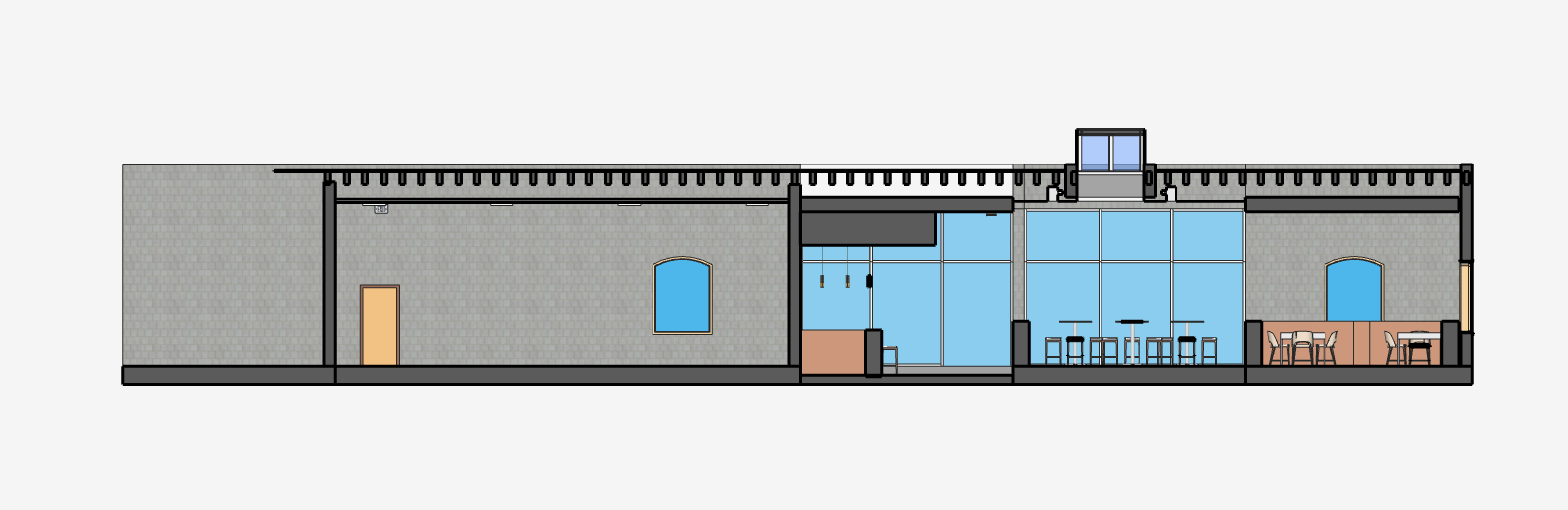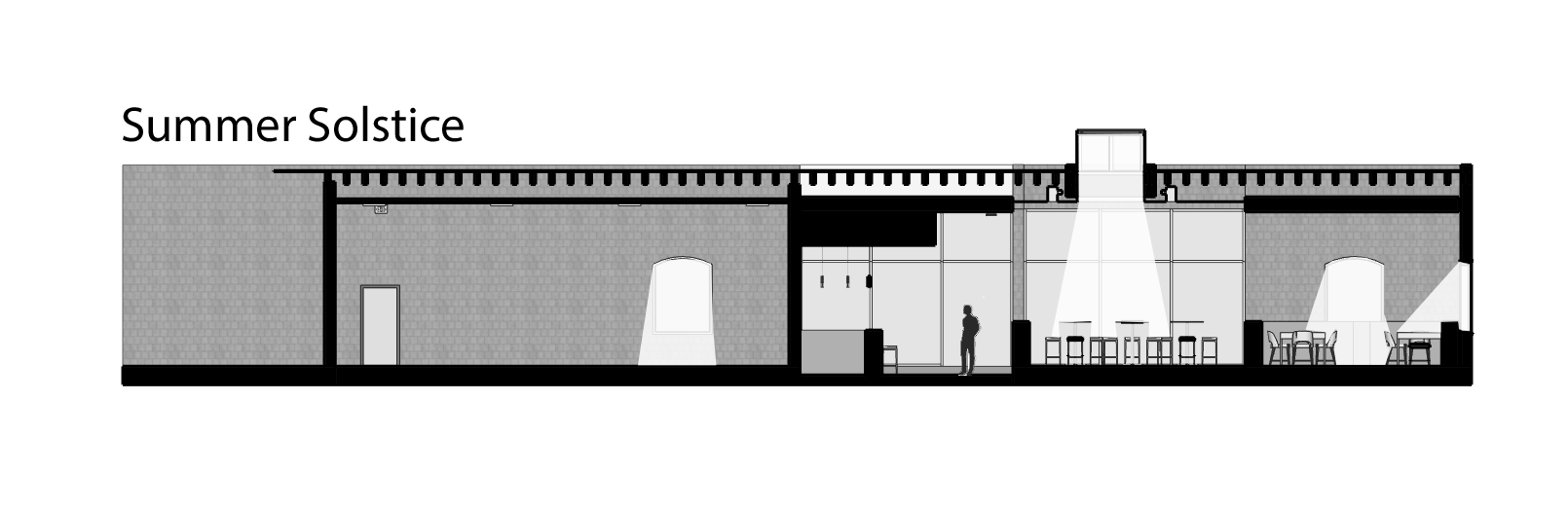

The ability to modify an image using software such as Photoshop or GIMP is incredibly useful in professional practices like art and architecture. This software is not only convenient but also significantly enhances the creative and practical workflow. This digital capability allows for a high level of precision, flexibility, and innovation. The technology behind these software applications includes the magic of pixels, which are the smallest units of an image displayed on a digital screen. They are represented as tiny dots of light that compose an image. The colors of pixels are digitally represented through 1’s and 0’s in binary code, where bit depth plays a crucial role by influencing color diversity and image quality. Bit depth is determined by the number of colors a digital image can display; for example, an 8-bit image can have 256 different colors, while a “true color” 24-bit image can display more than 16 million colors, which is more than the human eye can perceive. As a student studying architecture, I have greatly benefited from using digital graphic editing software to enhance my designs through renders and diagrams. (Images below show before and after of a section diagram I made using photoshop)
Bit depth directly affects the number of colors in an image, with an 8-bit depth allowing for 256 unique colors or shades. The principle is key for both color depth and image quality. The context of RGB color models refers to the depth per channel, allowing for millions of colors. Single channel images are limited to a palette of 256 options, better for simpler visuals.
Citations:
OpenAI. (2024). ChatGPT (4) [Large language model]. https://chat.openai.com
Prompt: “Clean up the grammar of the following paragraph”